Namibia Travel Guide
Namibia is a land of awe-inspiring contrasts, where dramatic scenery meets rich cultural heritage and abundant wildlife. Home to around 2.6 million people, its official language is English, though indigenous languages such as Oshiwambo, Herero, and Nama are widely spoken. Amid these remarkable surroundings, you’ll find the capital city, Windhoek, while the coastal town of Swakopmund showcases German colonial architecture alongside a relaxed seaside charm.
Although more expensive than neighbouring South Africa, many people are drawn to Namibia for its intimate style of travel, staying in smaller, distinctive lodges and guesthouses that offer a warm, personal welcome. Combined with its vast distances, strikingly remote landscapes, and dedication to conservation, it is a truly sought-after destination. With ever-changing landscapes, Namibia boasts rugged mountains, the world’s oldest desert, dramatic coastline, rolling dunes and the wildlife-rich Etosha National Park with its vast salt pan visible from space.
Renowned for its extraordinary natural beauty, it draws visitors from around the globe with the towering red dunes of Sossusvlei, the hauntingly beautiful Skeleton Coast, and endless opportunities for exploration. You can embark on game drives across savannahs teeming with life, wander along the windswept shore, or gaze at some of the clearest night skies in the world. With over 40% of its land under protection and a thriving community-based tourism model that benefits both people and wildlife, Namibia offers experiences that are as rare as they are unforgettable.
We’ve outlined some general information that may be helpful to you when planning your next holiday to Namibia.

Time Zone & Currency in Namibia
Namibia is two hours ahead of Greenwich Mean Time (GMT+2) and does not observe daylight saving time. The currency is the Namibian Dollar (NAD) and the South African Rand (ZAR) is also accepted.

Weather in Namibia
Namibia is generally sunny and dry year-round, with a desert climate that varies by region. The coastal areas, such as Swakopmund, are cooler and often misty due to the Atlantic Ocean.

Reading For Your Trip To Namibia
The Sheltering Desert by Henno Martin
Mama Namibia by Mari Serebrov
The Last Train to Zona Verde by Paul Theroux
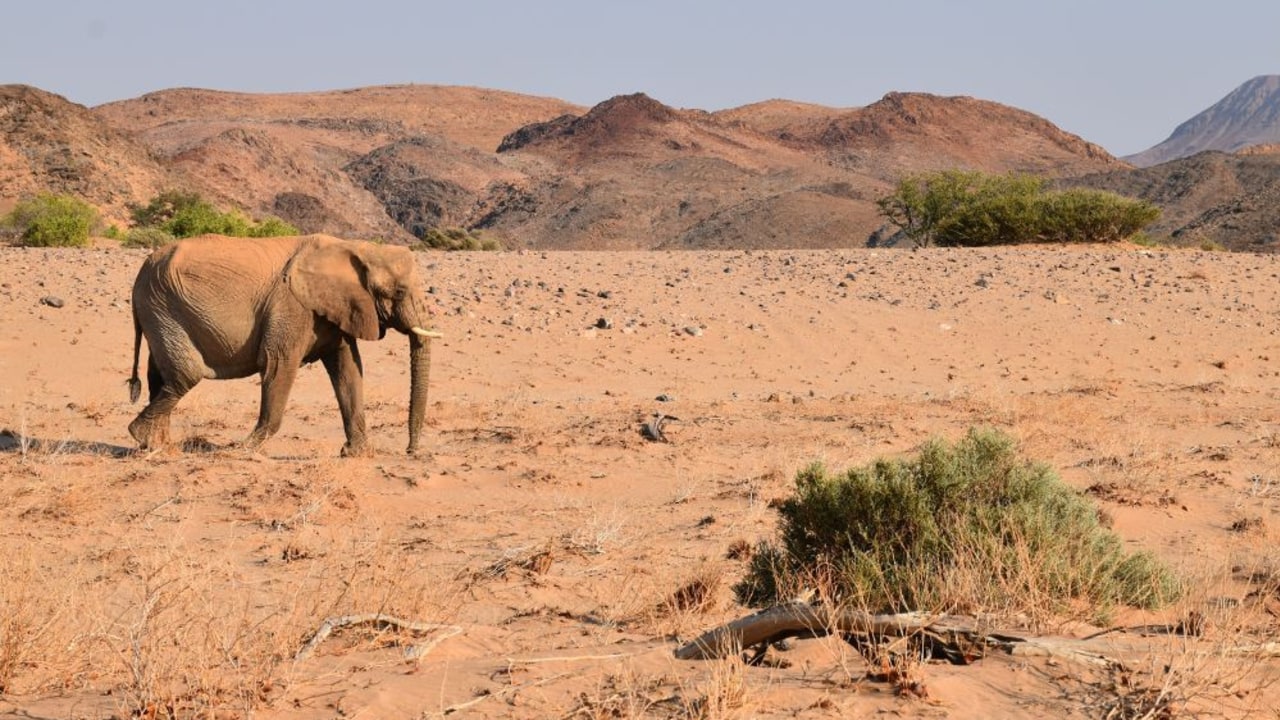
Best time to go to Namibia
While Namibia is a year-round destination, we travel in June and September when the weather is pleasantly warm during the day and cooler at night. These months fall within the dry season, offering excellent conditions for wildlife viewing.
Top Tourist Attractions In Namibia
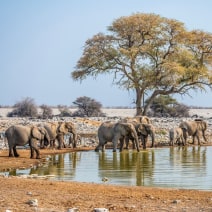

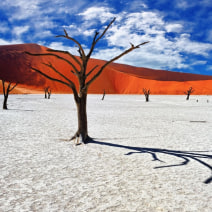


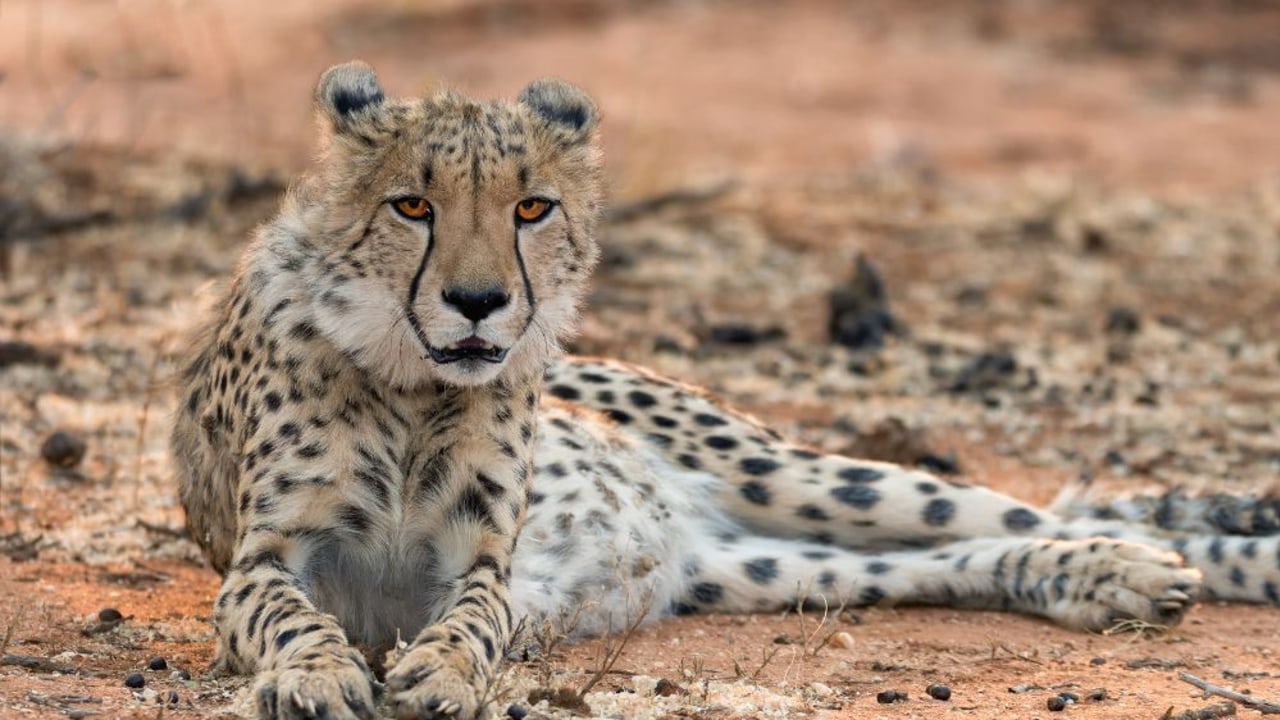
Top tips for your Namibia safari
Get ready for an unforgettable wildlife experience. From what to pack to spotting animals at their best, our top tips will help you make the most of your safari in Namibia.
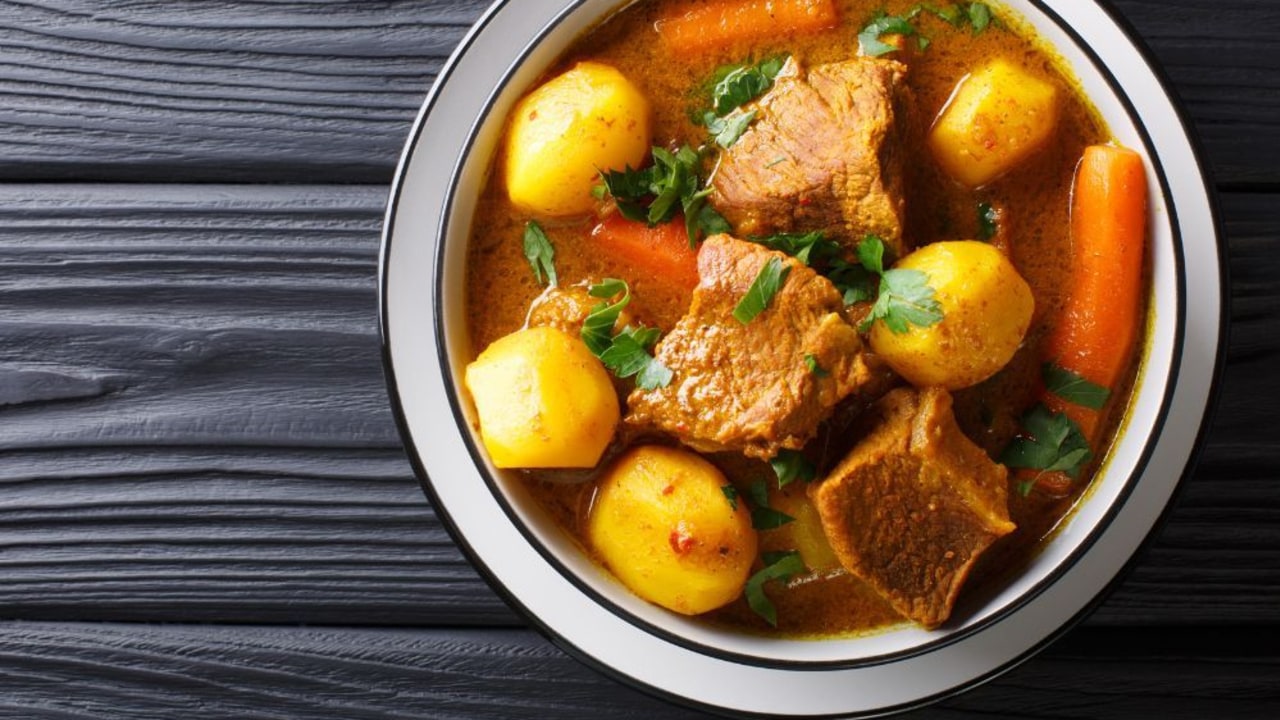
Food and drink in Namibia
Namibian cuisine reflects a blend of indigenous traditions, German colonial heritage, and influences from neighbouring countries. Some must-try dishes include:
- Kapana: Grilled beef cooked over open flames, often served with spicy chilli sauce and enjoyed at street markets.
- Biltong: Air-dried, seasoned meat (usually beef or game) — a popular snack across southern Africa.
- Potjiekos: A slow-cooked stew of meat, vegetables, and spices, prepared in a cast-iron pot over coals.
- Boerewors: Traditional spiral-shaped beef or pork sausage, often barbecued (braaied) and served with maize porridge.
- Vetkoek: Deep-fried bread dough served either savoury with mince or sweet with jam and syrup.
- Oshifima: A stiff maize meal porridge, usually eaten with meat or vegetable stews.
- Game meat specialities: Dishes made from kudu, springbok, or oryx, often grilled or in stews.
Namibia is also known for its German-style breads, pastries, and cakes, thanks to its colonial history. You’ll find excellent local beer, especially Windhoek Lager, brewed according to the German purity law. Traditional drinks include oshikundu, a fermented millet beverage, and rooibos tea, enjoyed hot or iced.
Namibia Travel Guide FAQs
Can you give a brief history of Namibia?

Namibia’s history stretches back thousands of years, with evidence of early hunter-gatherer communities such as the San, whose rock art can still be seen at sites like Twyfelfontein. Over time, herding communities such as the Nama, Herero, and Damara made the region their home. European contact began in the late 15th century with Portuguese explorers, but it wasn’t until the late 19th century that Germany established colonial rule over what became German South West Africa. After World War I, the territory came under South African administration. The 20th century saw periods of conflict and significant social change, as local communities sought greater autonomy. A long independence movement, led by the South West Africa People’s Organization (SWAPO), eventually led to Namibia gaining independence in 1990, with Sam Nujoma becoming the nation’s first president. Today, Namibia is a growing tourist destination, admired for its vast open spaces, cultural diversity, and strong commitment to conservation. Its striking landscapes and abundant wildlife make it a truly memorable place to explore.
Do I need a holiday visa for Namibia?
From 1 April 2025, Namibia will no longer offer visa-free entry to UK or Irish citizens. Travellers holding passports from either country must obtain a visa, either in advance via the e-visa system or on arrival at designated entry points. Passports should be valid for at least six months beyond your return date and have a minimum of two blank pages. Travellers from other countries should check their specific visa requirements with the relevant embassy or consulate.
Does Namibia offer good value for money?
Namibia isn’t typically a budget destination, but its value lies in the extraordinary experiences it offers. Rather than catering for mass tourism, it’s home to smaller, often family-run lodges and guesthouses. Combined with its vast landscapes, remote locations, and dedication to conservation, this creates a truly distinctive travel experience. The national currency is the Namibian Dollar (NAD), which is linked to and equal in value to the South African Rand (ZAR). The Rand is also accepted as legal tender. While day-to-day costs such as dining or local shopping can be pleasantly reasonable, the real reward is in the memories and moments you’ll take home.
Is Namibia safe?
The places visited on your itinerary are generally safe and our guides will always keep an eye out for you. However, in any large city there can be opportunists and pickpockets. It is wise to be vigilant, especially at busy tourist attractions, and always take good care of your personal belongings. Make use of the safe at your hotel and carry a photocopy of your passport when out and about. As in most countries, there is a degree of crime aimed at wealthier tourists. Please be mindful of showing expensive belongings in public and always remain aware of your surroundings
Do I need any vaccinations to travel to Namibia?
We recommend consulting your GP or a travel clinic well before your trip. They can advise on any vaccinations or preventative measures that may be recommended for Namibia, based on your personal health and travel itinerary.
Is there a risk of malaria in Namibia?
Malaria is not currently prevalent in any of the areas visited on your tour, however incidences cannot be ruled out. The best advice regarding health matters is available from your medical practitioner or a travel clinic.
Is the water safe to drink in Namibia?
The tap water is not considered safe to drink, so it is recommended to use bottled water for the entire duration of your trip. It is important to drink plenty of water, especially during the warmer months. Aim for at least 2 to 3 litres per day to help prevent dehydration. This amount excludes tea, coffee and alcoholic beverages, as these act as diuretics.
Do you have a recommended Namibia packing List?
Namibia enjoys one of the world’s highest sunshine rates — around 300 days of sunshine each year — so sun protection is essential. Take extra care between 11:00 and 15:00, when the sun is at its strongest. A high-factor sunscreen (minimum SPF 30), a wide-brimmed hat, and lightweight cover-up clothing are strongly recommended.
Suggested items to pack:
- A 220v plug adapter (Type D & M sockets)
- Sun protection lotion
- A small backpack A sun hat Long sleeved tops and long trousers
- Comfortable walking shoes Flip flops and/or sandals Insect repellent S
- Swimwear
- Camera
- Soft Luggage is preferable but not essential
- A good pocket or head torch is useful for the occasional power cut, especially if your room is located away from the main building and you need to walk back at night.
- Binoculars for bird and wildlife spotting
Namibia Travel Information
- For up-to-date information regarding entry into Namibia please see: www.dfa.ie
- Official Tourism Board: www.visitnamibia.com.na